
Category: By: Shaibu Awudu – –
-
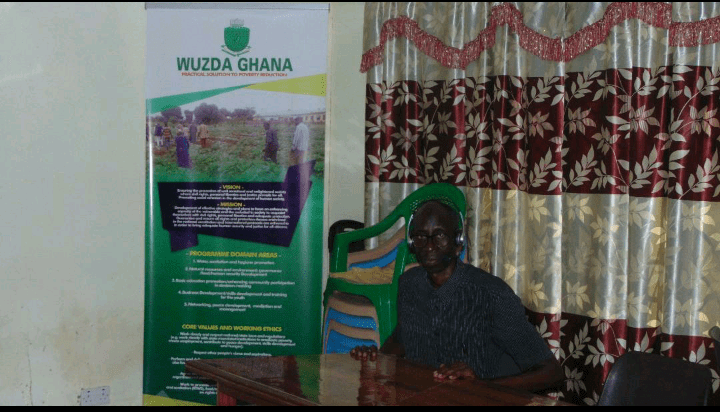
WUZDA Ghana Training Coordinator Is Northern Zonal Coordinator For CONIWAS
Training coordinator of WUZDA Ghana, Mr. Ibrahim Abdul Ganiyu has been elected the next Northern Zonal Coordinator for the Ghana Coalition of NGOs in Water and Sanitation (CONIWAS). His election comes after the two terms served by Programme Manager of WUZDA Ghana, Mr. Abdul Karim Ziblim expired. Mr. Abdul Ganiyu’s election, which took place at…
-
CONIWAS Trains Members On Social Inclusion For Marginalized Groups
The marginalized groups of people in society are often left behind in initiatives introduced by governments, the private sector, individuals and in some cases, even civil society. The marginalized in society include women, especially in this case, physically impaired, visually and hearing impaired. Some of the difficulties these groups of persons may face with facilities,…
-

Moremi Initiative And Partners Launch Project To Tackle Early Girl Child Marriage
Early marriage of young girls by parents has become an issue of concern especially in the northern part of Ghana, as stakeholders in girl child welfare put all hands on deck, with a goal to put an end to it as a contribution to national development. The decades old practice is still being considered in…
-
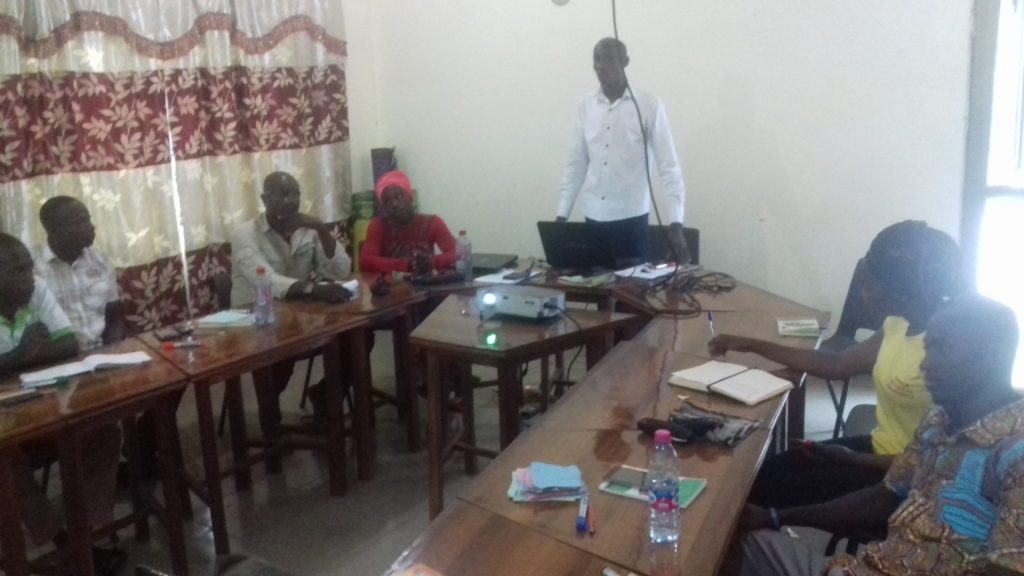
WUZDA Ghana Trains Staff On Tools Needed To Implement A Successful Project
WUZDA Ghana’s staff especially those involved in field work have received an intensive training on how they can use some available tools to make and report gains on projects. The training drew the staff’s attention to new tools that can be employed in the spirit of ‘innovation and technology’, to help implement a project successfully.…
-
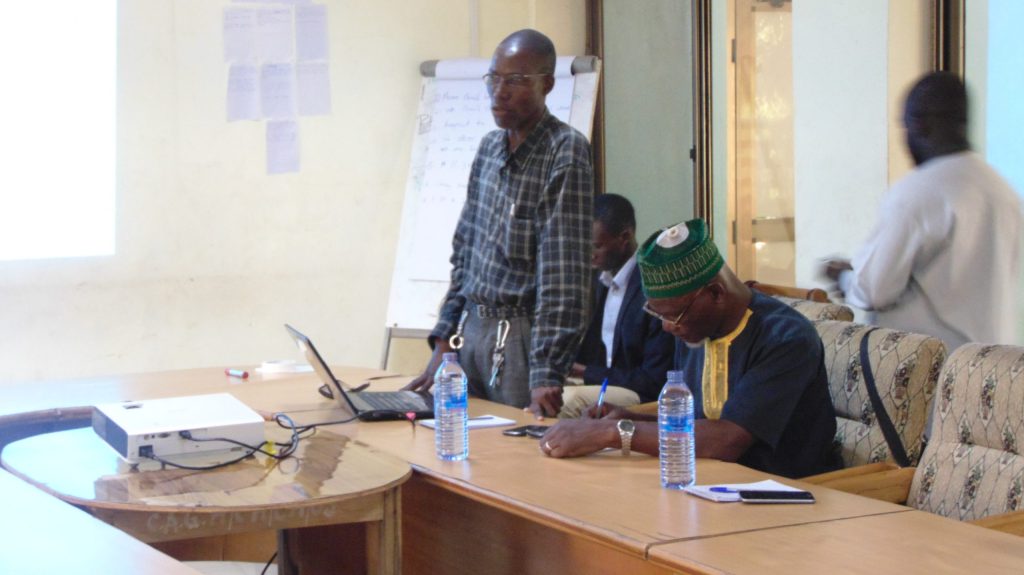
WUZDA Ghana Programme Manager Leads Wokshop On ‘Localising Sdg Six’
CLIP is a subsidiary CSO of the Ghana DevelopingCommunities Association, GDCA, which is mandated by the mother organization to operate in the Water, sanitation and Hygiene, WASH sector in the northern part of Ghana. The formation of CLIP became necessary after the mother organization, GDCA came to understand that considering the weight of the water…
-
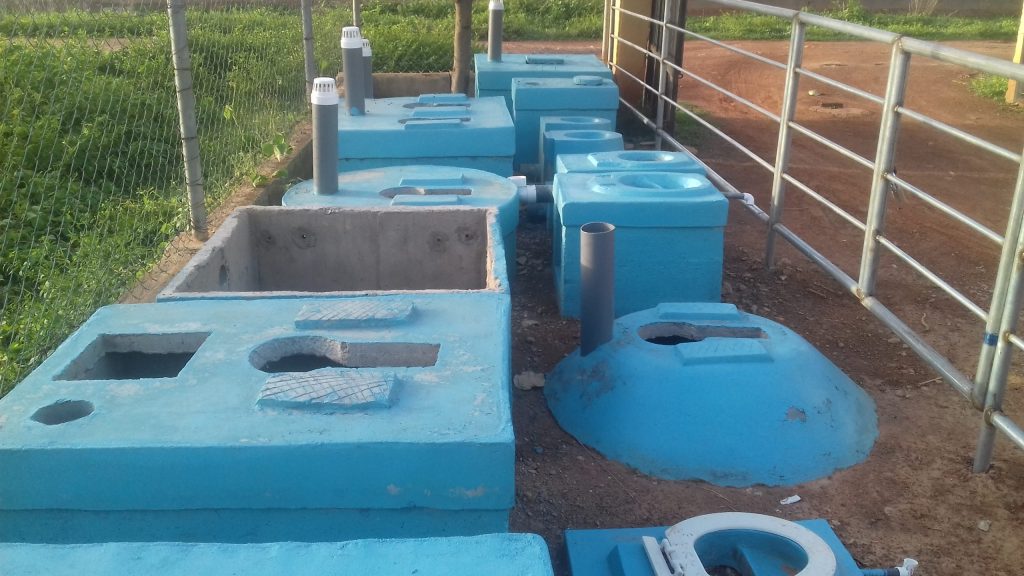
WUZDA Ghana Introduces New Latrine Design Known As Ecosafe
WUZDA Ghana and its partner artisans in the latrine and sanitation module, have unveiled a new design called the Ecosave. The Ecosave is an environmentally friendly latrine which ensures safety of the household in terms of usage and ease of accessibility. This type of design is made to look like the Ecosan but has a…
-
WUZDA Ghana Press Statement on World Water Day, 2018
Water is a precious commodity in human daily life. Water is precious because without it, human beings cannot live. According to the World Water Day website, 2.1 billion people in the world today live without safe drinking water at home, affecting their health, education and livelihoods. Sustainable Development Goal 6 enjoins the world to ensure…
-
Project Mid – Term Evaluation Terms of Reference
Terms of Reference Mid Term Evaluation Project title: Farm – Promoting Waste for Food and Livelihood Security Region: Tamale, Northern Region, Ghana Main Partner: Wuni Zaligu Development Association (WUZDA) Contact Person: Abdul-Karim Ziblim (Programme Manager) E-mail:wunzalgu2004@yahoo.com Mobile: +233 (0)501389113 Introduction: WUZDA and Farm promoting Waste for Food and Livelihood Security 1.1 Partner Profile and project…
-
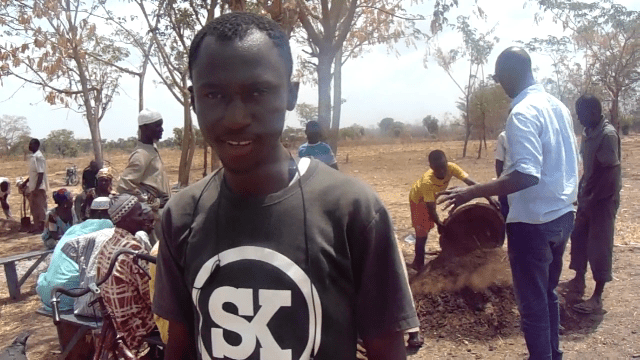
Program Officer Shows Satisfaction over work on Group’s Vegetable Farm
Program Officer for WUZDA Ghana, Ibrahim Abubakar says the vegetable farm cultivated by the group in Duunying gives him much hope that the ‘Farm Urban Waste for Livelihood and Food Security’ project will succeed massively. The project, funded by German donor ‘Bread for The World’ is being piloted in six communities across the northern region…
-
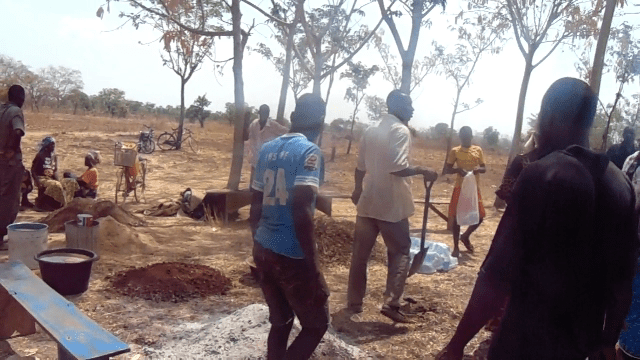
WUZDA Ghana Project Beneficiaries Express Joy Over Training On Compost Preparation
Communities in which WUZDA Ghana is implementing its ‘Farm Promoting Urban Waste for Livelihood and Food Security’ project were overjoyed after receiving training on organic compost preparation for use on their vegetable farms. Six communities were gathered and taken through basic steps in the preparation of a type of compost that holds the soil together…
 WUZDA Ghana