
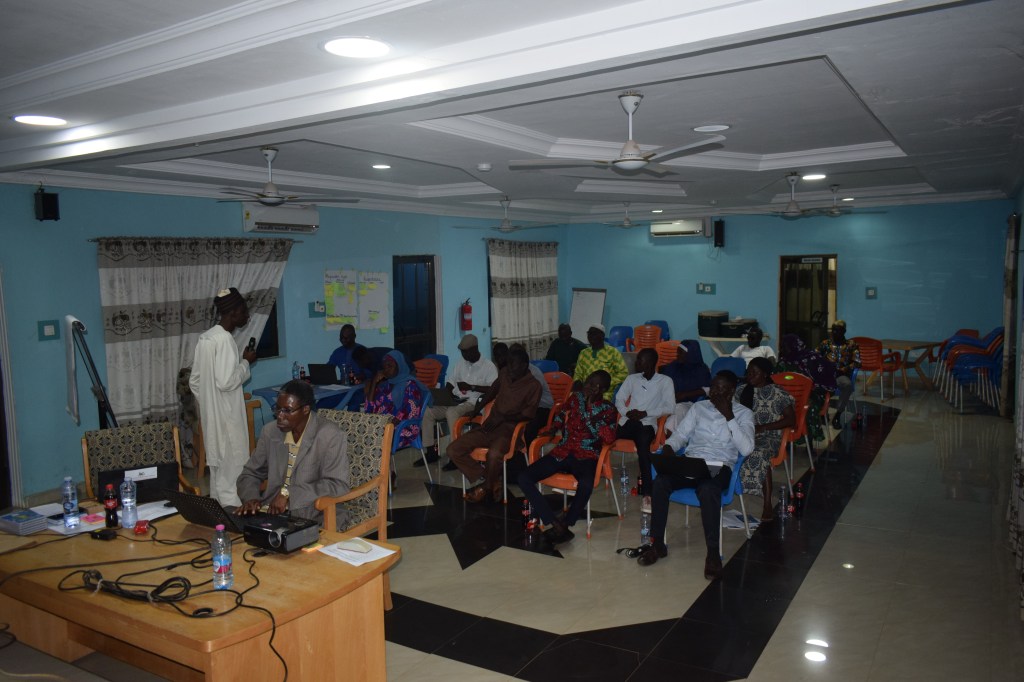
WUZDA Ghana has successfully ended its 3-day retreat for staff and stakeholders, which was aimed at fostering a strong cohesion between the staff and the stakeholders with whom the FaPUOWaFLiS project is being implemented.
Held at a serene rural venue in the Tolon District, the retreat served as a platform for open dialogue, skill-building, and planning to improve farming practices, as well as community development.
The retreat involved 26 participants, including WUZDA Ghana staff, agricultural extension officers, and select farmers from various communities where the organization operates.
Various sessions were designed for reflections on past achievements, challenges, and to help chart a sustainable path forward towards agricultural sustenance in the region.
Reflection on Past Achievements and Challenges
The first day kicked off with a warm welcome from the leader and Programme Manager for WUZDA Ghana, Mr. Ziblim Abdul Karim, who highlighted the organization’s milestones in community support, particularly in areas such as water and sanitation, women empowerment, and rural farming techniques.
The farmers and extension officers shared their experiences, with many emphasizing the need for more innovative agricultural practices to cope with the changing climate and market demands.
Other sessions centered on the challenges faced by local farmers, including unpredictable weather patterns, inadequate access to modern farming tools, and market access for their produce.
The extension officers provided insights into ongoing efforts to tackle these challenges and reaffirmed their commitment to providing on-the-ground support to farmers.
Skills-Building Workshops.
The second day was dedicated to hands-on training and workshops. Topics included sustainable farming practices, soil fertility management, water conservation techniques, and climate-smart agriculture.
Officers from WUZDA Ghana, along with agricultural specialists, led these sessions, offering practical advice and new techniques to help farmers maximize yields to help enhance food security.
In a particularly engaging session, farmers and extension officers collaborated on designing low-cost irrigation systems and drilling boreholes that could be implemented in areas where water is scarce.
The session also emphasized the importance of record-keeping and financial management for small-scale farmers.
Actions for the Future
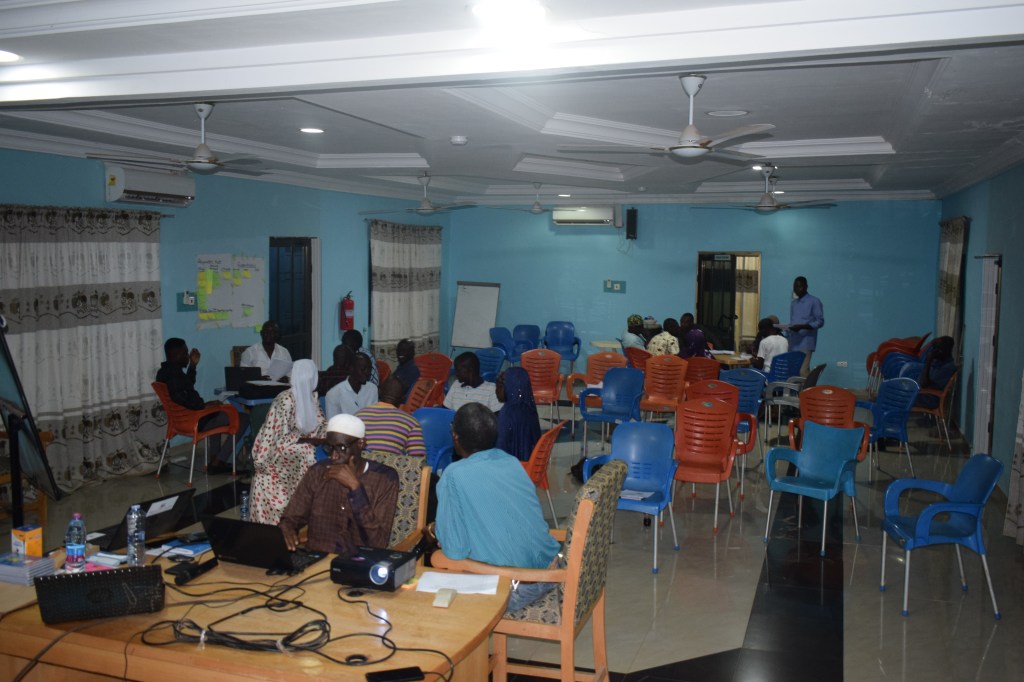
On the final day, participants formed working groups to develop action plans for their respective communities.
These plans focused on integrating new farming techniques and tools, strengthening farmer-extension officer relationships, and improving communication between farmers and market outlets.
The retreat concluded with an address from Mr. Fadlu Rahaman Mashud, a representative from Tech 2, who commended WUZDA Ghana for its continued efforts in supporting rural agriculture.
The farmers expressed optimism, noting that the retreat had equipped them with valuable knowledge and reinforced their commitment to sustainable vegetable farming.
The staff members were led through designing planned activity implementation for the 9 months ahead, to cover the first year of the FaPUOWaFLiS project, focusing on the fieldwork and officers’ collaborations.
Looking Ahead
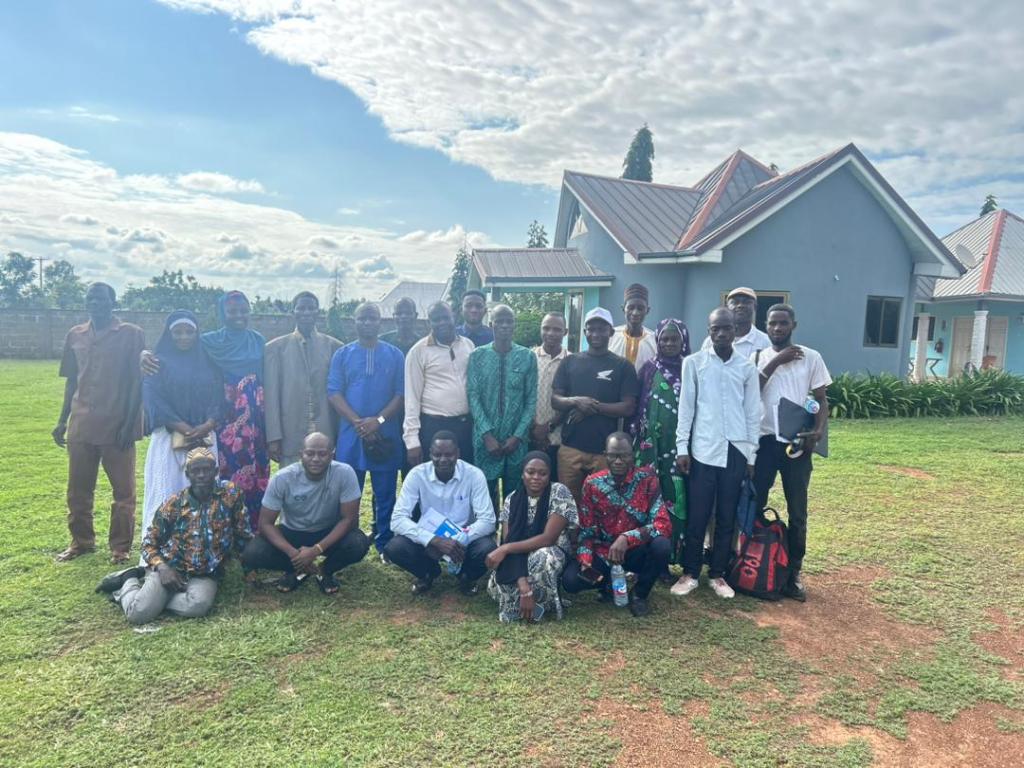
The retreat strengthened the bond between WUZDA Ghana’s staff, extension officers, and farmers and laid the foundation for more collaborative and impactful agricultural practices.
Training Coordinator and M and E Officer, Mr. Ibrahim Abdul Ganiyu indicated that “as WUZDA Ghana continues its mission, it remains focused on empowering farmers, enhancing food security, and promoting environmental sustainability across the region. This retreat is just one step in achieving these long-term goals”.
 WUZDA Ghana