

The Farm-Promoting Urban Organic Waste for Food and Livelihood Initiatives (FaPUOWaFLiS) Project has resumed, after the expiration of the third phase, which impacted the lives of men, women, and children in communities across the Northern Region.
Over the past years, the FaPUOWaFLiS project focused primarily on contributing to improved incomes and sustained financial literacy practice by April 2026, involving 283 organic vegetable farmers as they adopt advanced agro-ecological farming strategies to grow a variety of organic vegetables and form advocacy groups to demand more profitable market conditions for vegetable farmers in the Tamale Metropolitan area, Savelugu, Kumbungu, Sagnarigu Municipalities, and Tolon Districts of the Northern Region.
A total number of 283 beneficiaries with a breakdown of 118 men and 165 women in the 10 communities across the 5 MMDs were introduced to increase learning in best fit option technology and innovation in promoting production of variety and quality organic vegetables by 53% as a means of sustaining activities on their vegetable farms in the dry season.
Other activities under the FaPUOWaFLiS include promoting improved hygiene practices within the WASH sector (water, sanitation, and hygiene), advocating for sustainable agricultural methods to ensure the production of nutritious food, facilitating market access for organic produce, and empowering small-scale producers through the establishment of cross-sector networks that bolster their negotiating power and lobbying capacity.
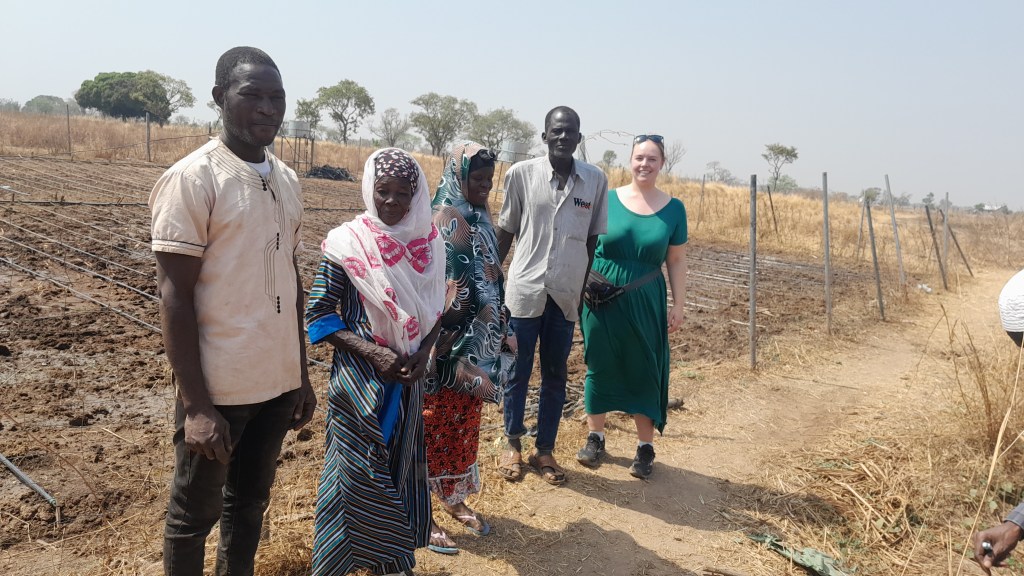
Following the results chalked over the years, there was the need for WUZDA Ghana to scale up, by introducing new ideas, after identifying more challenges facing the communities through the adoption of sustainable vegetable production methods.
A new phase and a continuation of the initiatives in the communities was then discussed with the donor, who found it prudent for a scale up to be explored, to help counter new challenges, and maximize the gains made.

The main aim of the new phase of the project is to ensure food security, and raise the livelihoods of beneficiaries in the communities, as well as to foster resource-conserving land management practices.
The project is also designed to achieve other goals, including promoting improved hygiene practices within the WASH sector of Ghana, advocating for sustainable agricultural methods to ensure the production and consumption of nutritious foods, facilitating market access for organic produce, and empowering small-scale producers through the establishment of cross-sector networks that bolster their negotiating power and lobbying capacities.
Discussions were held between WUZDA Ghana and Bread for The World on the continuation of the project, if the long term impacts would be achieved.
“Over the next three years, various empowerment, and farming value-chain improvement activities will be carried out, with the beneficiaries at the center of each of them, to ensure the achievement of the project objectives”, according to WUZDA Ghana’s Training Coordinator, Mr. Ibrahim Abdul Ganiyu.
These activities being implemented by WUZDA Ghana under the FaPUOWaFLiS are being funded by Bread for The World in Germany.
 WUZDA Ghana